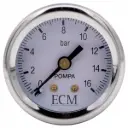
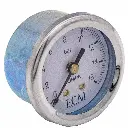
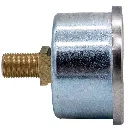
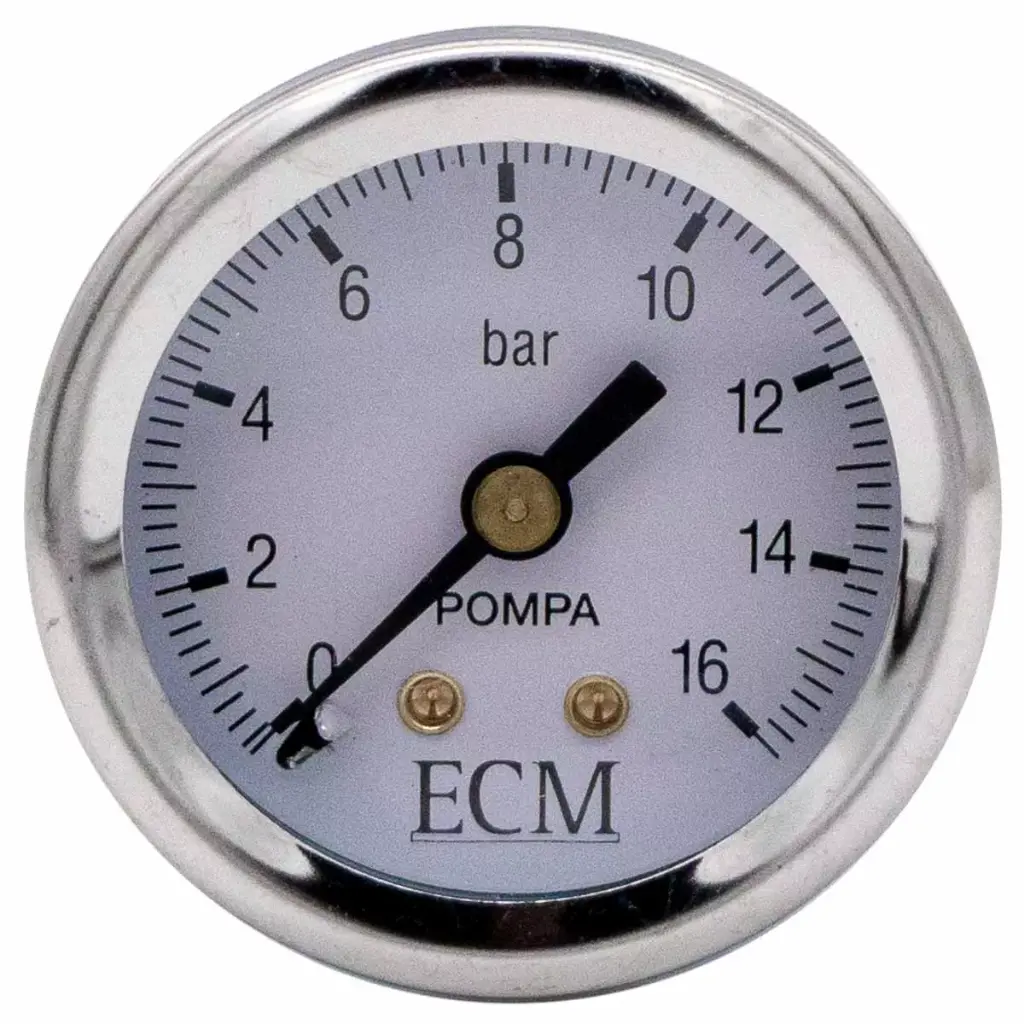
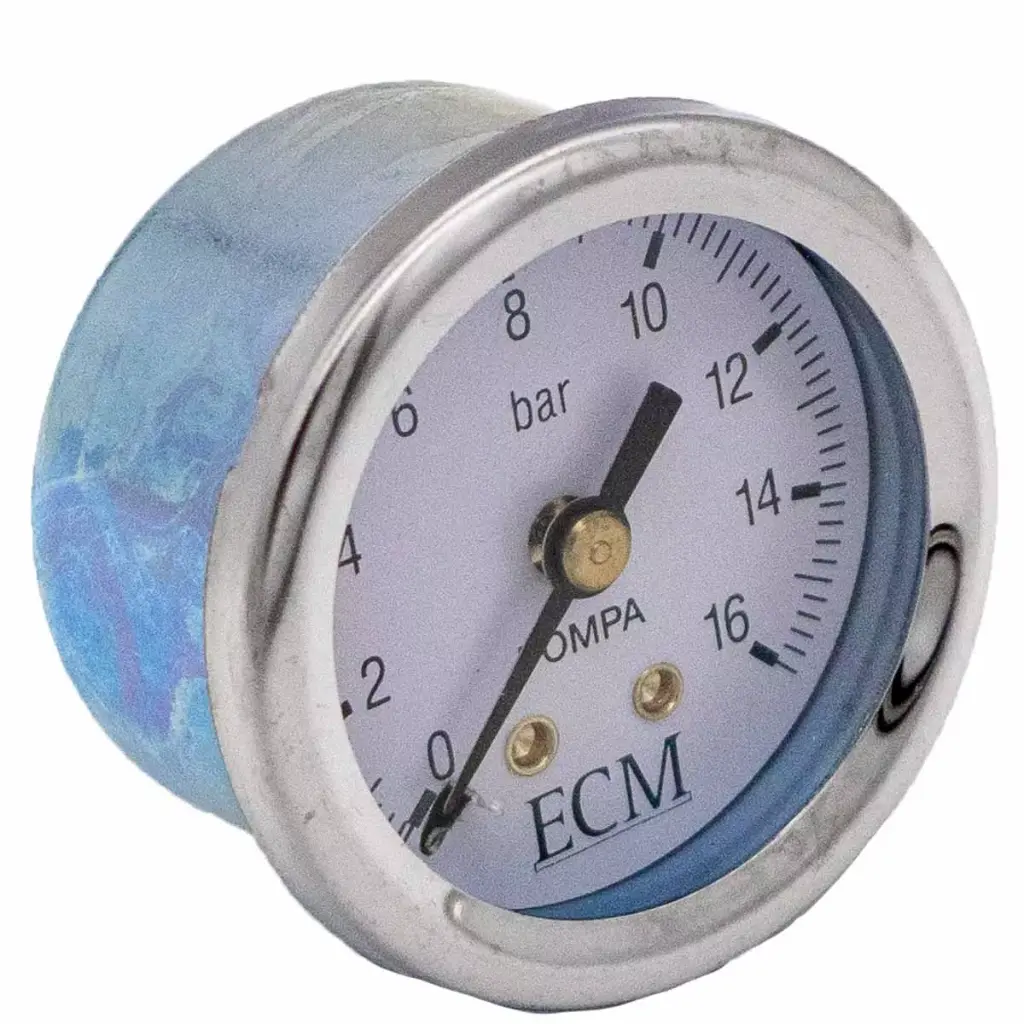
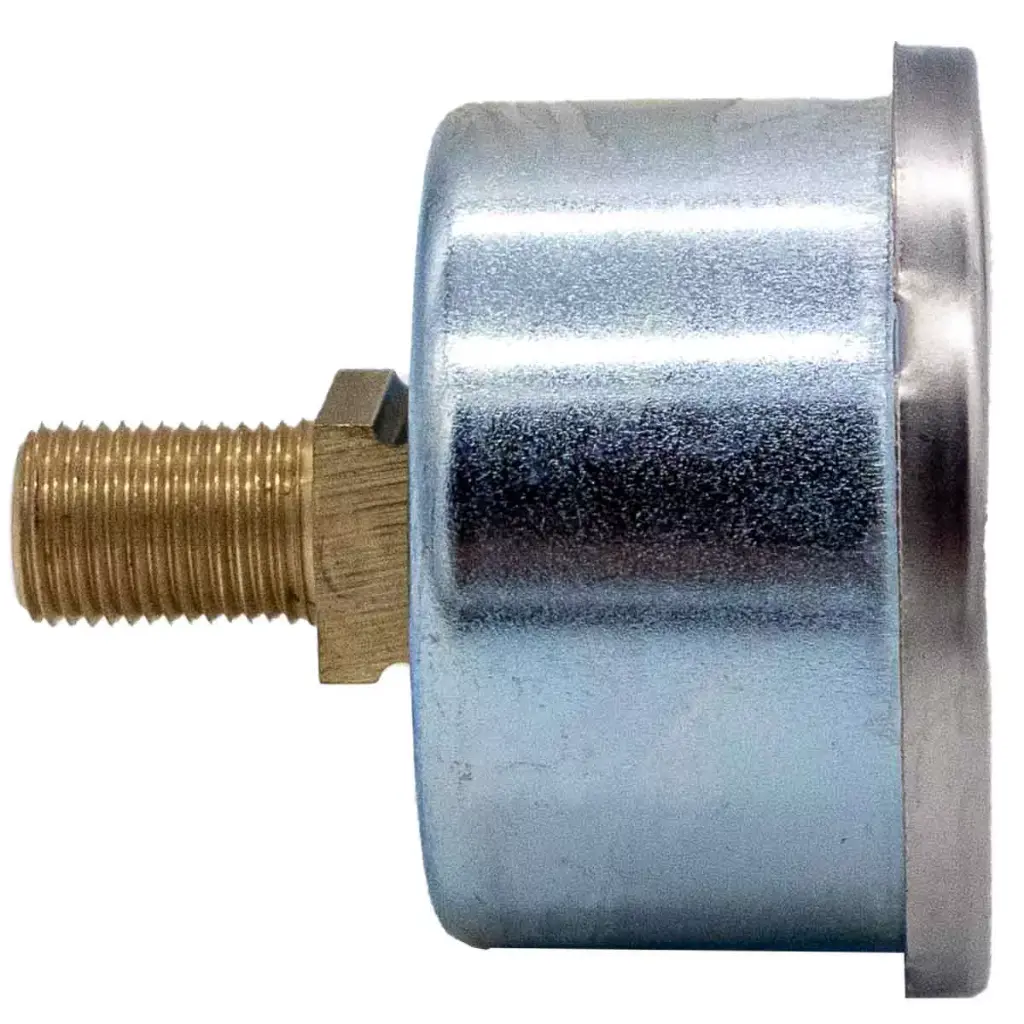
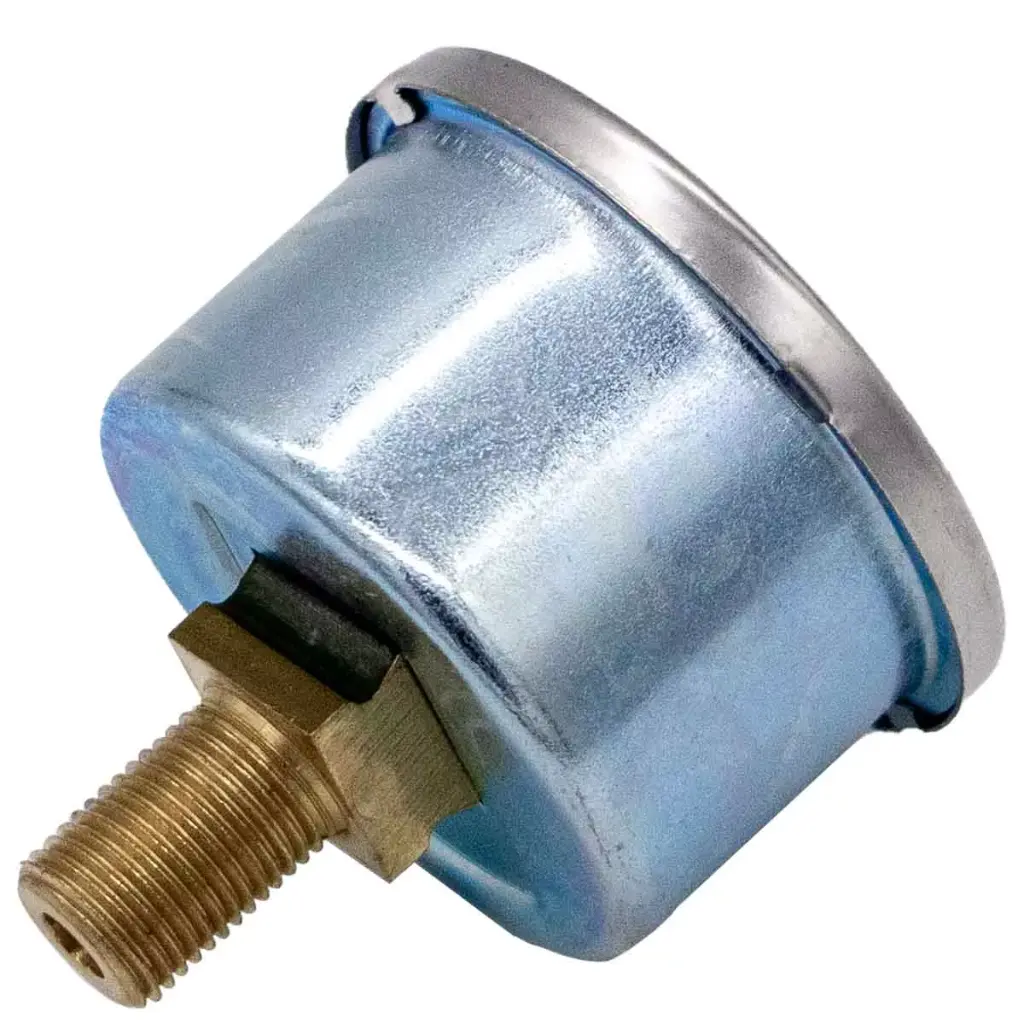
ECM Manometer Pump
original replacement part
ECM Pump Pressure Gauge – 0–16 Bar
📈 See Exactly What Your Espresso Machine Is Doing
The ECM 0–16 Bar Pump Pressure Gauge is a replacement manometer for compatible ECM espresso machines, displaying the pressure generated by the pump and brewing circuit.
A functioning pump gauge is much more than a decorative dial.
It gives you valuable information about:
☕ Brewing pressure
⚙️ Pump operation
🔧 Expansion-valve adjustment
🧺 Resistance created by the coffee puck
💧 Backflush pressure
🛠️ Machine diagnostics
If the original gauge is damaged, leaking, sticking or no longer returning correctly to zero, replacing it restores one of the most useful diagnostic tools on your ECM espresso machine.
📋 Quick Menu
- 📈 0–16 bar pressure range
- ☕ Displays pump / brewing pressure
- 🔧 Original-style ECM replacement part
- 🛠️ Useful for diagnostics and adjustment
- ⚠️ Several ECM versions exist
- 📏 Check diameter and connection before ordering
- 👃 CoffeeNose pressure tips
- 🧼 Cleaning and maintenance cross-sells
- 🎓 Espresso Essentials workshop
- 🔩 WB.coffee spare-parts support
📈 What Does the Pump Manometer Measure?
The pump pressure gauge shows the hydraulic pressure generated inside the espresso machine's brewing circuit.
When the machine is idle, the needle should normally sit close to zero.
During extraction, pressure rises as water meets resistance from the finely ground coffee inside the basket.
On many traditional espresso machines, you will commonly see pressure in the region around:
8–10 bar during a properly prepared extraction
However, the number on the gauge should never be treated as the sole indicator of a good espresso.
Pressure is only one part of the recipe.
☕ 9 Bar Is Not a Magic Number
It is tempting to look at the gauge and think:
9 bar = perfect espresso.
Coffee is more complicated than that.
The displayed pressure is influenced by:
⚙️ Grind size
⚖️ Coffee dose
🧺 Basket
🌀 Puck preparation
💧 Pump adjustment
🔧 Expansion / OPV setting
☕ Machine design
A badly prepared puck can still show approximately 9 bar.
A beautifully extracted espresso may also behave slightly differently depending on the coffee and machine.
Use the gauge as a diagnostic instrument, then judge the extraction with your scale, timer and—most importantly—your palate.
🔧 Useful for Machine Diagnostics
A working pressure gauge can help identify several problems.
📉 Pressure Too Low
Possible causes can include:
- Grind too coarse
- Too little coffee
- Channeling
- Pump problems
- Incorrect pressure adjustment
- Leakage in the hydraulic system
📈 Pressure Excessively High
Possible causes include:
- Grind too fine
- Excessive dose
- Blocked basket
- Incorrect OPV / expansion-valve adjustment
- Restriction in the brewing circuit
🧭 Needle Behaves Erratically
A gauge that:
❌ Sticks
❌ Vibrates excessively
❌ Does not return to zero
❌ Shows obviously implausible values
may itself require replacement—or indicate another hydraulic issue.
A manometer is therefore one of the first places we look when diagnosing espresso-machine behaviour.
🧼 Backflushing and the Pressure Gauge
The pressure gauge is also useful when performing a backflush.
With a blind basket installed, water cannot flow through the portafilter.
Pressure therefore rises until the machine's hydraulic system regulates it.
This allows you to observe whether the pump and pressure-regulation system behave consistently.
Important
A blind-filter reading is not the same as extracting coffee.
During a real espresso shot, water passes through a porous coffee bed.
During a blind backflush, it does not.
Use the reading for machine diagnostics—not as a substitute for tasting espresso.
⚠️ Compatibility – Check Your Exact ECM Model
This is important:
ECM uses several different 16-bar pump manometers.
They may look similar from the front but can differ in:
📏 Diameter
🔩 Rear connection
📐 Mounting depth
⭕ Bezel dimensions
🔧 Connection orientation
☕ Machine compatibility
For example, common ECM-logo 16-bar gauges are used on many machines from the:
- Classika series
- Mechanika series
- Technika series
- Elektronika series
- Barista series
while other machines—including the ECM Synchronika—use a different gauge dimension.
Before ordering
Please check:
- Your exact ECM model
- Approximate production generation
- Gauge diameter
- Rear connection
- Original part number when available
Not sure?
📸 Contact WB.coffee
Send us:
- Your ECM model
- Serial number if available
- Photo of the front of the machine
- Photo of the existing gauge
- Photo of the rear connection if accessible
We can help identify the correct spare part before you order.
🔧 Known ECM Pump Gauge Variants
Depending on machine generation, relevant ECM replacement gauges can include versions such as:
ECM Logo Pump Gauge
Range: 0–16 bar
Approx. face diameter: 39 mm
ECM reference commonly listed: B7432517 / updated equivalent
Used on various generations of:
☕ Classika
☕ Mechanika
☕ Technika
☕ Elektronika
☕ Barista
ECM Synchronika Pump Gauge
Range: 0–16 bar
Approx. outside diameter: 57.5 mm
Reference: P6049
This is a dedicated larger version and should not be confused with the smaller standard ECM manometer.
Other ECM 16-Bar Gauges
Other models and earlier machine generations can use additional variants.
Always match the part to the machine rather than ordering by pressure range alone.
🧰 Replacement Part – Not a Performance Upgrade
Replacing a faulty manometer restores the machine's original pressure indication.
It does not by itself:
❌ Increase pump pressure
❌ Improve temperature stability
❌ Fix channeling
❌ Correct a poor grind setting
❌ Automatically improve espresso
If the original gauge is reading correctly, replacing it with another 16-bar gauge will not make the coffee better.
If the existing gauge is defective, however, a reliable replacement makes machine setup and diagnosis significantly easier.
🔧 Installation
Replacing a pressure gauge requires access to the hydraulic components inside the espresso machine.
Depending on the model, installation may involve:
🔩 Removing body panels
🔧 Disconnecting the gauge capillary / pressure line
⭕ Checking seals or fittings
📐 Correctly positioning the replacement gauge
💧 Leak testing
⚡ Working close to electrical components
⚠️ Safety
An espresso machine combines:
🔥 High temperature
💨 Pressure
💧 Water
⚡ Mains electricity
Always disconnect the machine from electricity, allow it to cool fully and release pressure before opening the housing.
If you are not experienced with espresso-machine repair, have the replacement installed by a qualified technician.
👃 CoffeeNose Tip – Use Pressure Together with Flow
The pressure gauge tells you what the machine is experiencing.
The espresso tells you why it matters.
Watch:
📈 Pressure
⏱️ Extraction time
⚖️ Beverage yield
☕ Flow from the portafilter
👅 Taste
A useful starting recipe could be:
Coffee
18 g
Espresso
36–45 g
Time
Approximately 25–30 seconds as a starting reference
Pressure
Often around 8–10 bar, depending on machine and recipe
Then taste.
Fast flow + low pressure + sour espresso?
⚙️ Grind finer.
Very slow flow + high pressure + dry espresso?
⚙️ Grind coarser.
Stable flow + balanced sweetness?
❤️ Leave the gauge alone and enjoy the coffee.
Pressure is information.
Flavour is the goal.
🛍️ Blind Filter Basket
A blind filter basket is essential for performing the backflush cleaning cycle on compatible ECM machines.
Use it for:
💧 Water backflushing
🧼 Detergent cleaning
📈 Checking pump-pressure behaviour
🔧 Basic hydraulic diagnostics
Make sure you select the correct basket diameter for your ECM portafilter.
🧼 Cafetto EVO Sachets
A pressure gauge can tell you a lot about the machine.
It cannot clean it.
Use Cafetto EVO Espresso Cleaner periodically in accordance with the ECM cleaning instructions to remove:
☕ Coffee oils
🟤 Brew residue
👃 Rancid flavours
🧼 Contamination around the group and valve system
Pre-dosed sachets make cleaning straightforward and minimise dosing mistakes.
Clean machine + fresh WB.coffee = better espresso.
🪥 Proper Group Head Brush
Keep the area around:
- Group gasket
- Shower screen
- Portafilter locking area
clean with a proper group-head brush.
Coffee particles left around the group can:
❌ Bake onto hot surfaces
❌ Damage seals
❌ Create unpleasant flavours
❌ Make portafilter insertion harder
A good brush costs very little compared with replacing damaged machine components.
🚿 Group Head Spray Brush
For frequent espresso preparation, a spray-style group brush makes daily cleaning faster and helps flush loose grounds away from the group.
Combine:
⬛ Blind basket
🧼 Cafetto EVO
🪥 Group brush
🚿 Spray brush
for a complete group-head cleaning routine.
💧 Cross-Sell – Cafetto Renew & Water Filtration
Pressure problems can sometimes be related to scale or restricted water pathways.
Preventive water management matters.
Use appropriate filtration for your local water hardness and descale only according to the requirements of your exact ECM model.
Cafetto Renew can be useful for compatible descaling procedures where permitted by the machine manufacturer.
Remember
A water filter:
💧 Reduces scale formation.
It does not necessarily:
❌ Remove all hardness
❌ Reverse existing scale
❌ Eliminate future maintenance forever
Contact WB.coffee if you need help choosing a water-treatment solution for your espresso machine.
⚙️ Precision Espresso Grinder
If the gauge appears healthy but your brew pressure varies enormously from shot to shot, first check the grinder and puck preparation.
A capable grinder with precise adjustment helps create more consistent resistance.
Interesting options include:
⚖️ Ceado Life WAM – Grind by Weight
⚖️ Eureka Mignon Libra 65 – Grind by Weight
🧠 Eureka Specialità SMART
⚙️ Ceado Life X
🚀 Baratza Sette 270Wi
Consistent grind.
Consistent dose.
Consistent puck.
More meaningful pressure readings.
🎓 Espresso Essentials for the Home Barista
During Espresso Essentials for the Home Barista at Amsterdam Coffee Lab in Weesp, we explain what the pressure gauge actually tells you—and what it does not.
Learn how:
⚙️ Grind size affects resistance
⚖️ Dose influences puck depth
💧 Pressure and flow interact
⏱️ Extraction time relates to flavour
👅 Under- and over-extraction taste
🧰 Puck preparation affects channeling
🧼 Cleaning influences machine performance
A pressure gauge becomes much more useful once you understand the extraction happening behind the needle.
❤️ Why We Like Repairable Espresso Machines at WB.coffee
A pressure gauge is a good example of why we like machines from manufacturers such as ECM.
If one component eventually wears out, you don't need to throw away the entire espresso machine.
The gauge can be replaced.
So can:
🔧 Valves
⭕ Seals and gaskets
💧 Pumps
🌡️ Sensors
🧺 Group components
⚡ Many electrical parts
That means a well-maintained machine can remain in service for many years.
WB.coffee supplies espresso-machine spare parts and can help identify the correct component for many ECM and Profitec models.
Before replacing parts unnecessarily
First diagnose the problem.
A gauge showing high pressure may be doing its job perfectly—the actual cause might simply be a grind setting that is much too fine.
Replace the part when the part is faulty.
Adjust the coffee when the coffee is the problem. 👃🔧☕
📍 ECM Spare Parts & Espresso Service in Weesp
Looking for an ECM 16-bar pump manometer, espresso-machine spare parts or maintenance products near Amsterdam?
At WB.coffee and Amsterdam Coffee Lab in Weesp, you'll find:
📈 ECM pressure gauges
🔧 Espresso-machine spare parts
🧼 Cafetto cleaning products
⬛ Blind filter baskets
🪥 Group-head brushes
💧 Water-treatment solutions
⚙️ Espresso grinders
🫘 Fresh WB.coffee specialty coffee
🎓 Home-barista workshops
👃 Practical troubleshooting advice
Not sure which pressure gauge fits your ECM?
Send us the exact machine model and a photo of the existing manometer. We would rather help you identify the correct part first than sell you the wrong one.